

Morning stiffness
Feeling stiff, tight or restricted through your back, hips or pelvis when you first get up.
Help with pain during feeding, carrying, walking or other everyday activities after having a baby.
Book an appointment
 HCPC Registered
 One-to-one
 Pre-crawling
After pregnancy and birth, your back, pelvis, abdominal muscles and pelvic floor are all adapting. Feeding positions, broken sleep, lifting, carrying, pushing the pram and returning to exercise can all add load before your body feels ready.
You don’t have to wait until the pain becomes severe to ask for help. We can look at the movements and routines that are difficult for you.
 Book your assessment
Feeling stiff, tight or restricted through your back, hips or pelvis when you first get up.
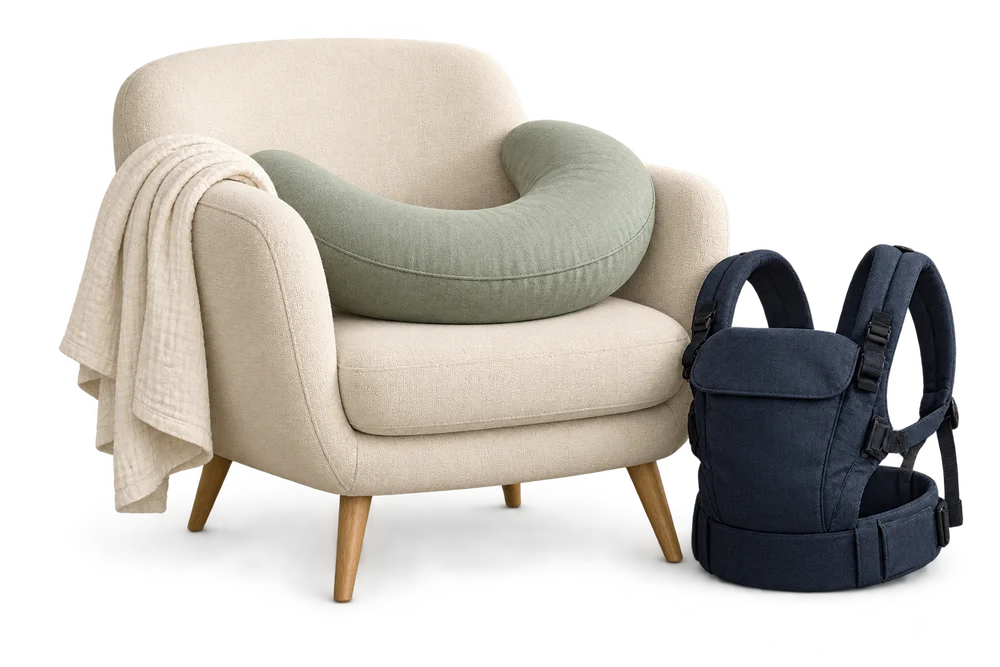
Back, neck, shoulder or pelvic discomfort that builds during breastfeeding, bottle-feeding or sitting for longer periods.
Pain or pressure when lifting your baby, carrying the car seat, using the pram, doing housework or carrying bags.
Back, hip or pelvic discomfort during walks, after walks, or while pushing the pram.
Symptoms that feel manageable in the morning but build through the day with lifting, feeding, carrying and moving around.
Struggling to get comfortable in bed, turn over, lie on your side, or settle because of back, hip or pelvic discomfort.
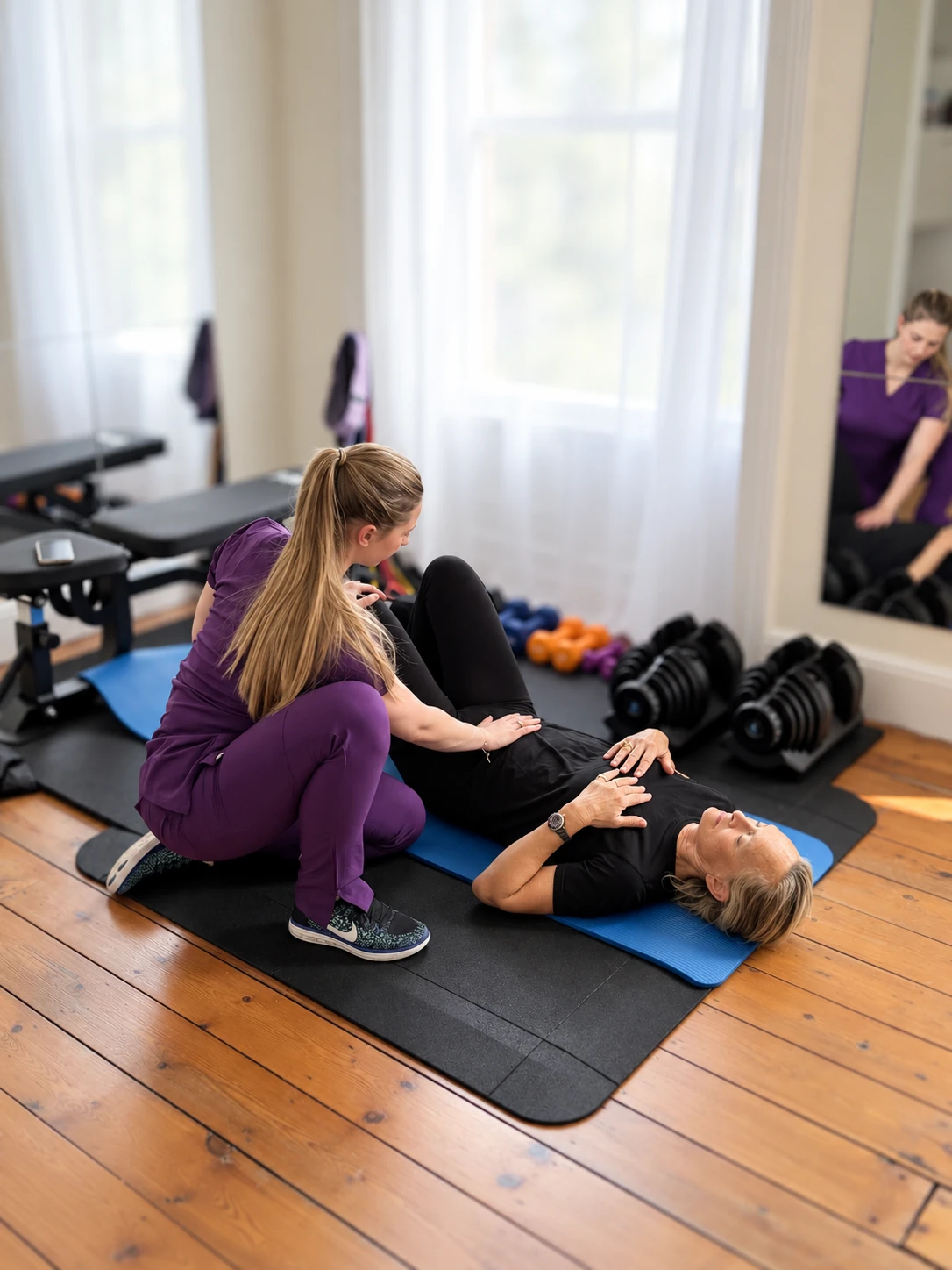
Your assessment can include feeding positions, lifting and carrying, walking and how your back and pelvis move. Together, we’ll find a starting point for recovery.
Practical adjustments to the activities that bring on your symptoms.
Movement and exercises matched to your recovery, symptoms and confidence.

Pre-crawling babies are welcome, with time to pause for feeding or settling.

It is common, but it is still worth getting support if it is affecting your day-to-day life. Feeding, lifting, carrying, broken sleep, pram walks and returning to exercise can all place extra demand on your back and pelvis. Physiotherapy can help you understand what is contributing and what your body needs next.
Recovery does not need to start with heavy exercise. We begin from where you are now and build gradually. That might mean simple movement, gentle strength work, changes to lifting or feeding positions, hands-on treatment, or a plan to help your body feel more supported.
Not always. For back and pelvic pain, we may focus on movement, strength, posture, daily activities and how your symptoms behave. If pelvic health symptoms are also part of the picture, Garance will talk through the most appropriate assessment options clearly, and nothing is done without your consent.
This depends on what is going on and how long symptoms have been there. Some women only need one appointment for reassurance and a clear plan. Others benefit from follow-ups to progress treatment, strength work and return to exercise at a pace that feels realistic.
 Book your